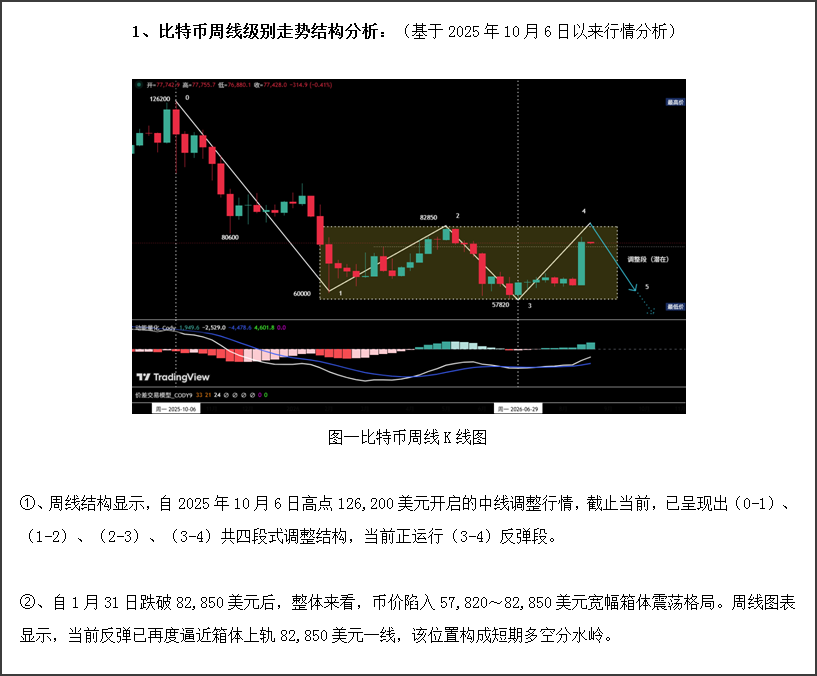
In a November 16, 2026 market review, the analyst reported that Bitcoin had fallen 13.98% over the preceding week and broken below its 52-week moving average. The analyst called this the failure of a possible transition out of the bear market. That is a technical interpretation, not a confirmed change in Bitcoin’s long-term outlook.
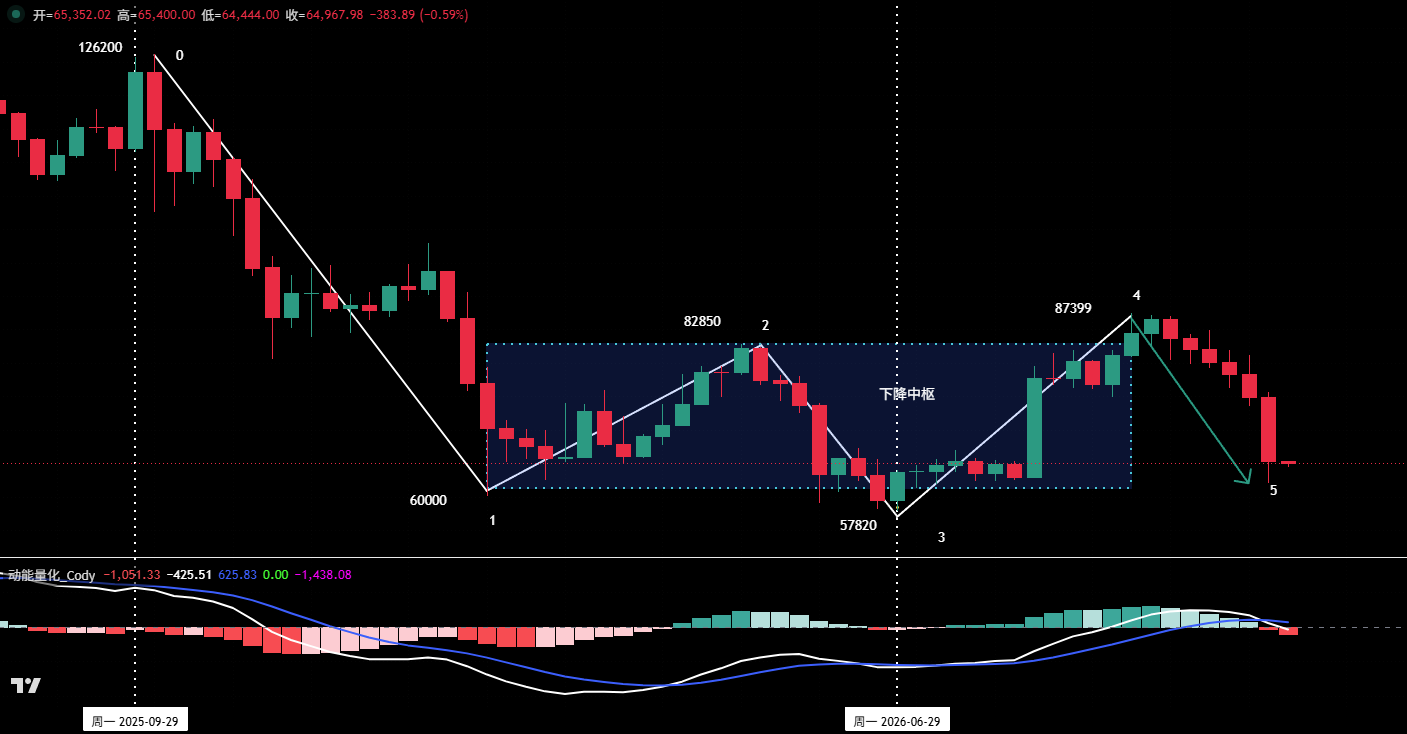
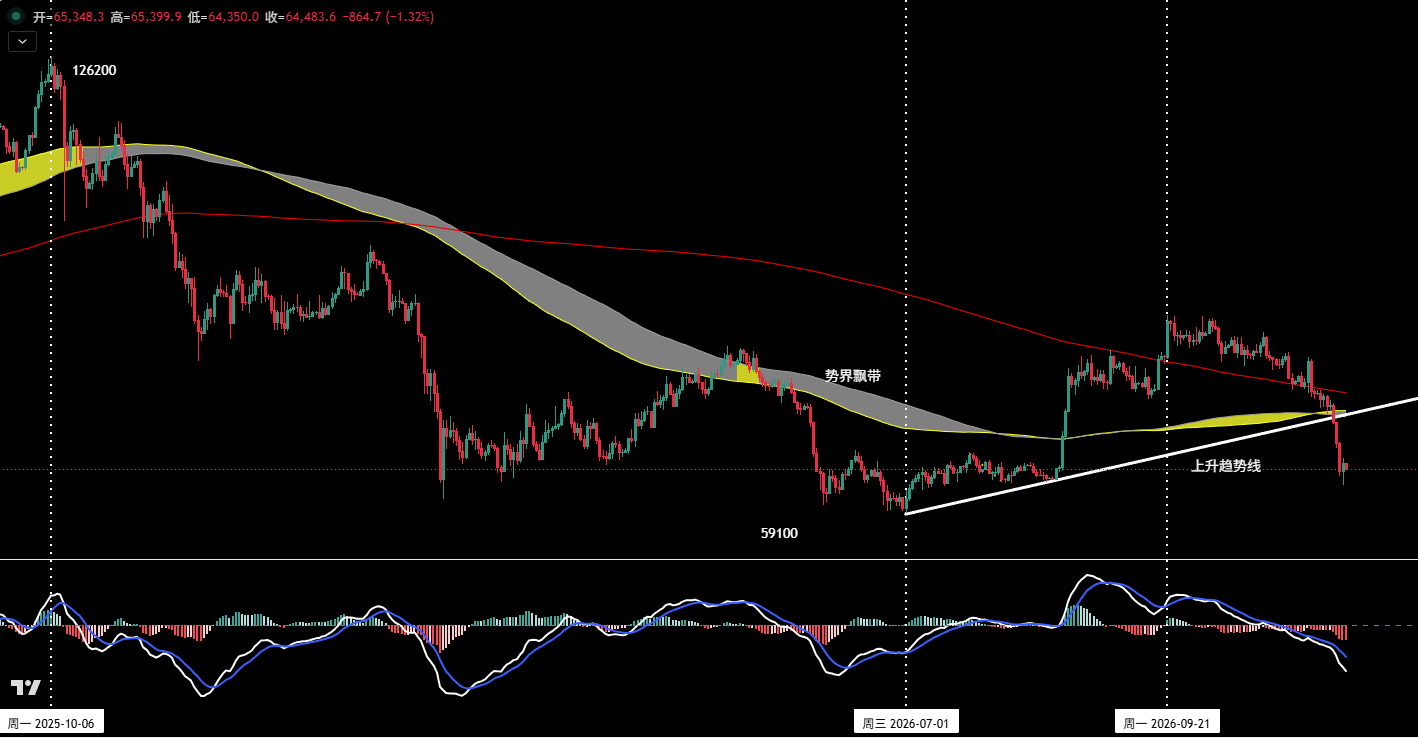
The review said BTC had closed near $74,900 on November 1, close to the roughly $76,100 moving average, after eight weeks trading above it. The subsequent decline also took the price through a cluster of support levels around $72,500–$73,000 that the analyst had expected might hold. The review attributed the sharp move to “systemic risk” but did not establish a specific cause.
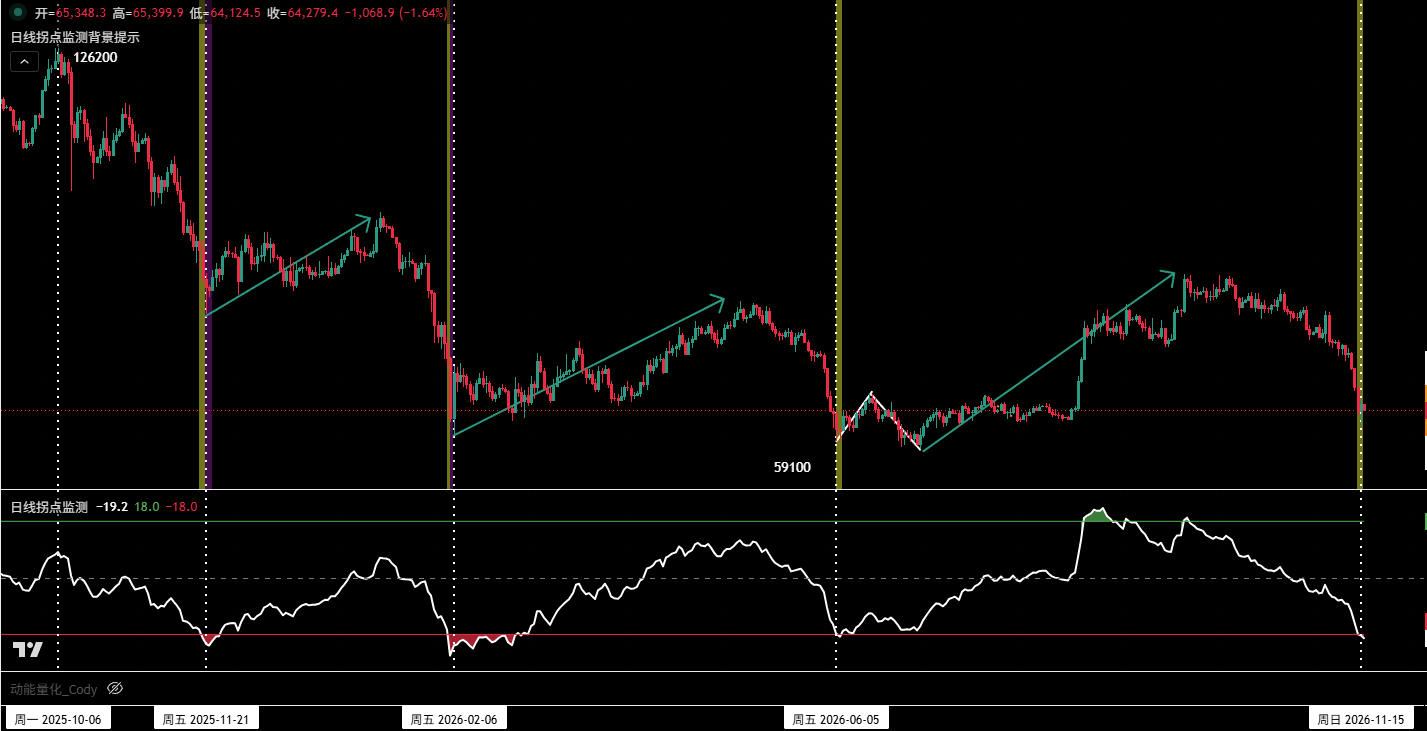
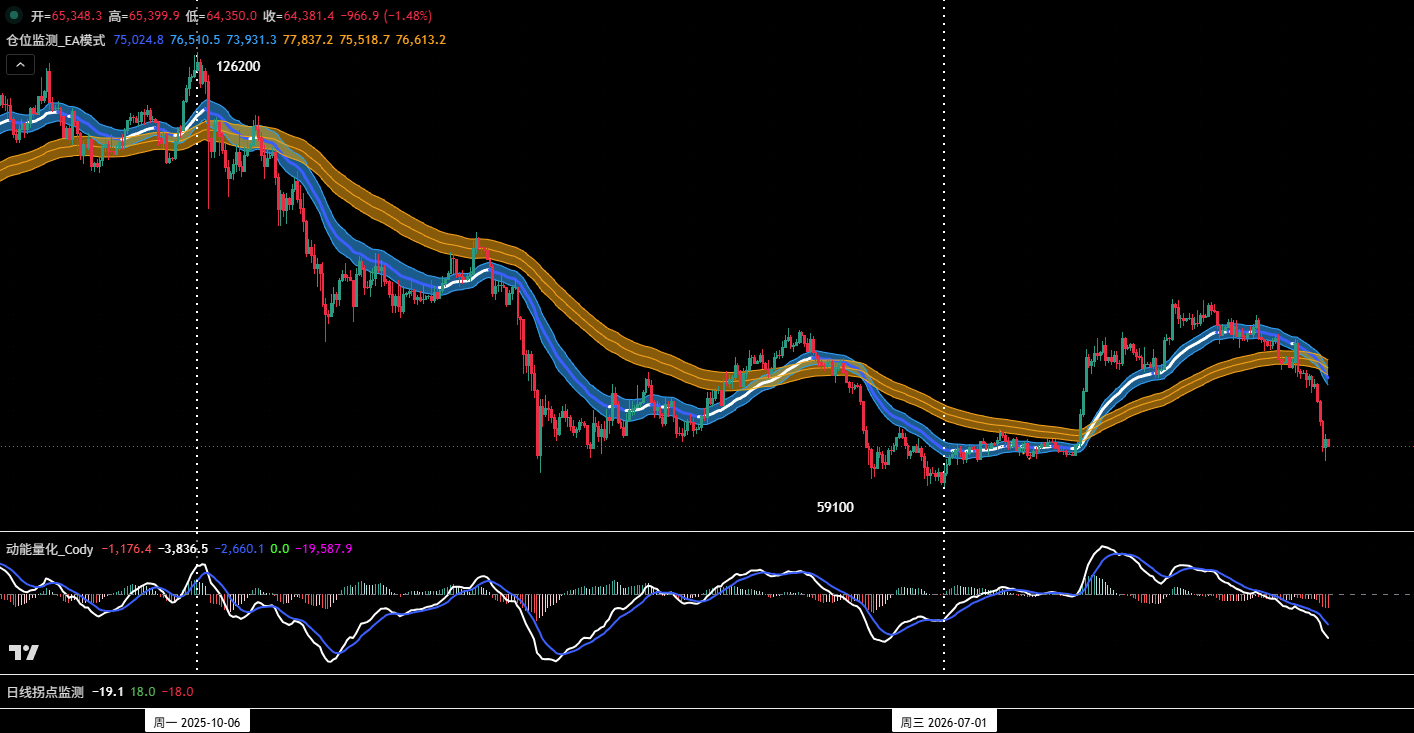
What mattered next in the analyst’s framework? The review identified $60,000–$62,000 as an initial support area and $57,820–$60,000 as the region to watch for a possible halt to the decline. It described a low near $62,000 on November 15 as provisional. If Bitcoin stabilized near the lower region, the analyst considered a return to range-bound trading possible; a break below $57,820 would instead mark a new low in that analysis.

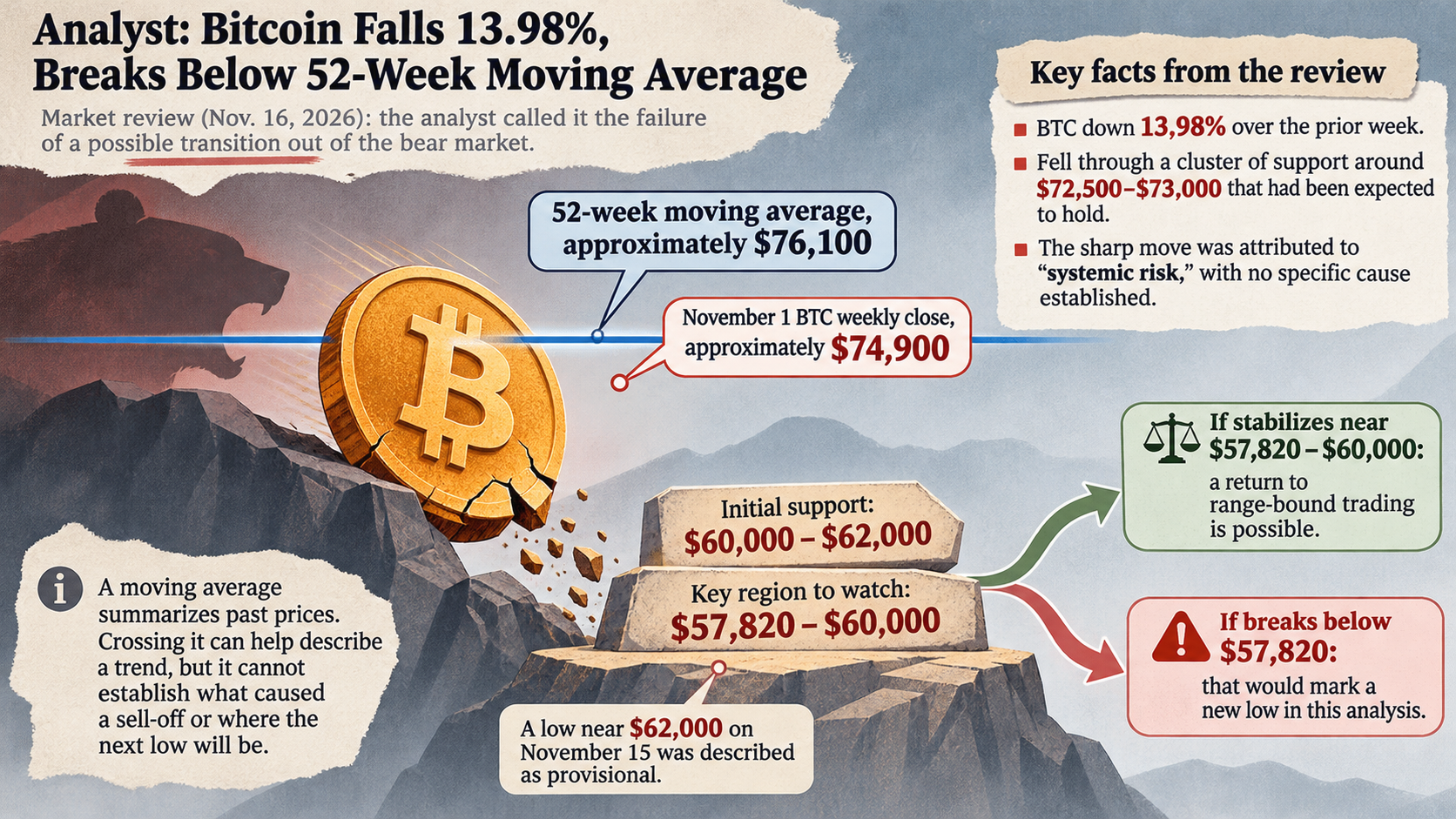
A moving average summarizes past prices. Crossing it can help describe a trend, but it cannot establish what caused a sell-off or where the next low will be.